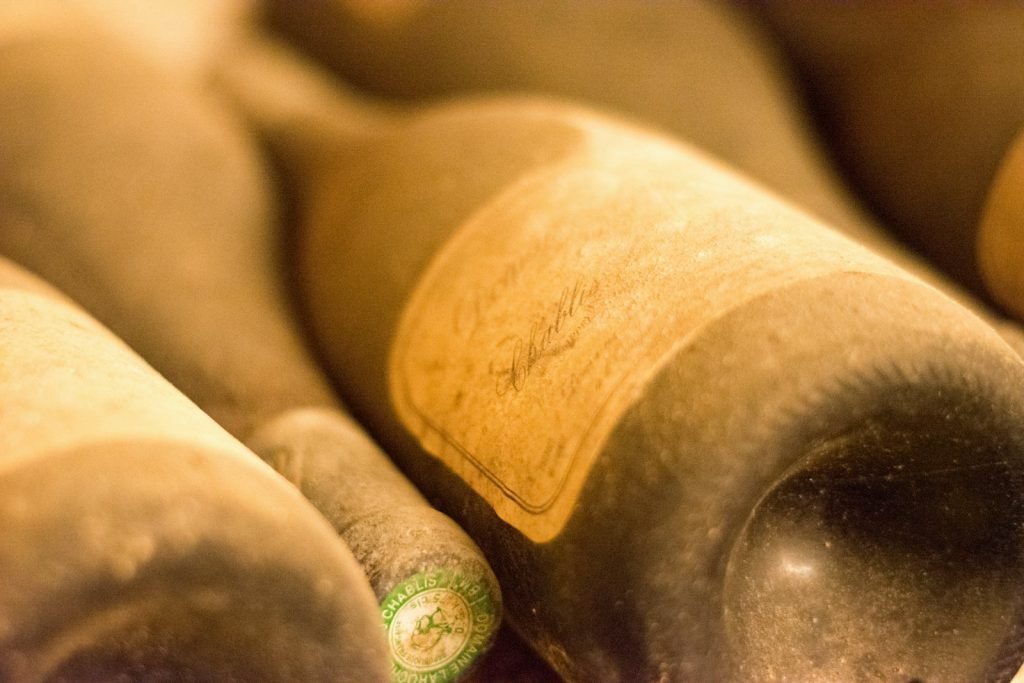
How to Recognize the Characteristics of a Very Old Wine
Tasting a very old wine is one of the most fascinating experiences for any wine lover. Time can transform a wine, adding complexity, elegance, and depth—but it can also reveal its limits. For members of Tuscany Unckored Society, understanding how to recognize the condition of an aged wine is essential to fully appreciating what lies in the glass.
Evaluating an old wine requires attention, patience, and a different perspective from that used with young vintages. Age does not automatically mean quality; balance and integrity are key.
Visual Clues: What the Color Reveals
The first indication of a wine’s age comes from its appearance.
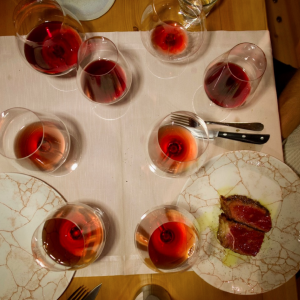
In red wines, aging often leads to a gradual loss of intensity, with colors shifting from deep ruby to garnet, brick, or tawny hues, especially at the rim.
White wines, on the other hand, tend to deepen in color over time, moving from pale straw to golden, amber, or even copper tones.
A very old wine may also show sediment, which is natural and often a sign of long aging rather than a flaw.
Aromatic Evolution: From Fruit to Complexity
One of the most distinctive features of an aged wine is its aromatic profile. Primary fruit aromas fade, making room for tertiary notes developed through aging. These may include dried fruit, leather, tobacco, forest floor, mushrooms, balsamic nuances, spice, and earthy tones.
A well-preserved old wine should still feel expressive and harmonious. If aromas appear dull, excessively oxidative, or overly acidic, the wine may be past its peak.
Palate Structure: Balance Is Everything
On the palate, very old wines often display softer tannins, a more integrated structure, and a delicate mouthfeel. Freshness is crucial: even in advanced age, a great wine retains a core of acidity that supports its flavors.
Signs of decline include a hollow mid-palate, sharp acidity without fruit support, or an overly thin texture. A mature wine should feel resolved, not fragile.
Finish and Persistence: The Final Test
The finish of an old wine can reveal much about its condition. A high-quality, well-aged wine will offer a long, nuanced, and evolving finish, with layers of complexity lingering gracefully.
Short or bitter finishes, especially with metallic or sour notes, may indicate that the wine has exceeded its optimal drinking window.
The Importance of Storage Conditions
It is impossible to judge an old wine without considering how it was stored. Proper **cellar conditions—stable temperature, controlled humidity, and minimal light exposure—**play a decisive role in how a wine ages.
Even wines with great aging potential can deteriorate if stored improperly, while well-kept bottles can surprise with remarkable vitality decades later.
Appreciating the Beauty of Time
Recognizing the condition of a very old wine is not about searching for perfection, but about understanding how time has shaped the wine’s character. Old wines offer emotion, memory, and a sense of history—elements that go beyond technical evaluation.
At Tuscany Unckored Society, we believe that learning to read the signs of aging deepens your connection to wine and enhances every tasting experience. A very old wine, when understood and respected, becomes a rare and unforgettable encounter.