In the world of Italian wine, there are revolutions that happen quietly in the soil, and then there are revolutions that happen with chainsaws. The story of the Barolo Boys is the latter.
While we at the Tuscany Uncorked Society are devoted to the rolling hills of Chianti and Val d’Orcia, we must tip our hats to our neighbors in the north. In the 1980s, a group of friends in Piedmont didn’t just change a wine style; they saved a region from obscurity and ignited a civil war in the vineyards that is still talked about today.
The “Sleeping Giant” of the 80s
To understand the Barolo Boys, you have to understand the Barolo of the past.
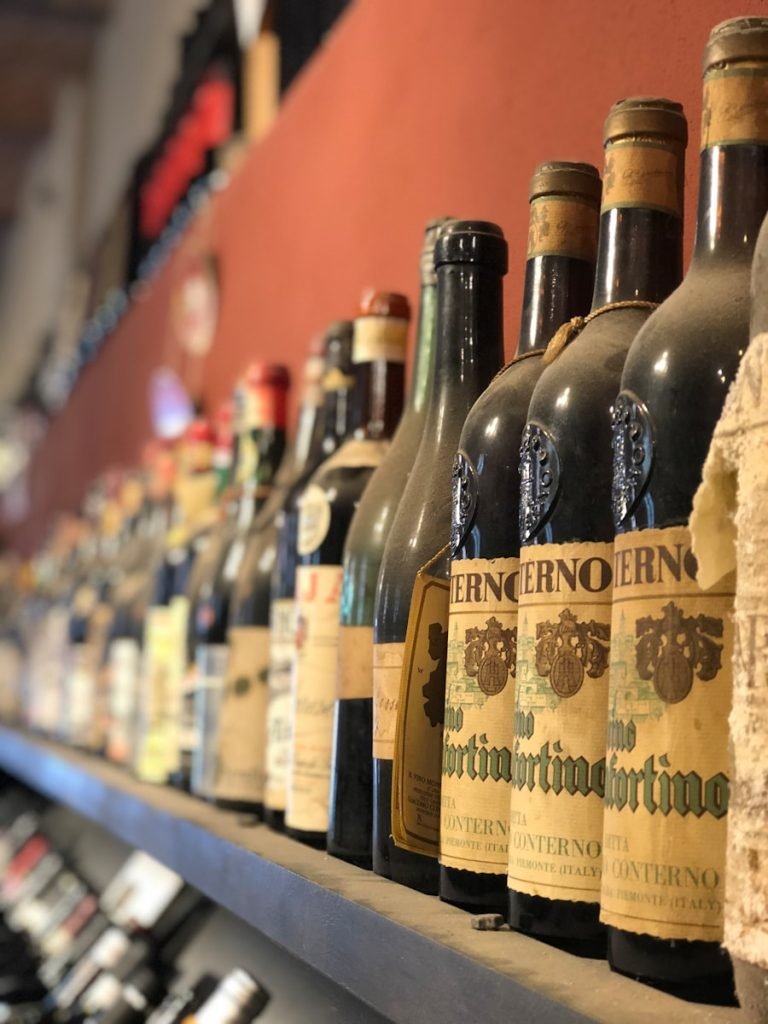
Before the 1980s, Barolo was a wine for the patient—or the masochistic. Made in the traditional style, the wines underwent long macerations (leaving skins in the juice for months) and were aged in massive, often dirty, old Slavonian oak casks (botti).
The result? Wines that were fiercely tannic, oxidized, and often undrinkable for 10 or 20 years. Furthermore, the region was poor. The children of winemakers were leaving the farms to work in the Nutella factory in Alba. The heritage was dying.
The Trip That Changed Everything
The spark was lit by Elio Altare, the charismatic leader of the movement. Legend has it that Elio took a trip to Burgundy, France, in the late 70s. He was shocked.
He saw French winemakers driving Porsches while his father drove a rusted tractor. He saw pristine cellars and small, new oak barrels (barriques). He tasted wines that were elegant and approachable.
He returned to La Morra with a radical idea: Barolo didn’t have to be hard.
The Revolution: Green Harvests and Chainsaws
Elio gathered a group of like-minded young winemakers—including Chiara Boschis, Giorgio Rivetti, Luciano Sandrone, and Roberto Voerzio. They became the “Barolo Boys.”
They implemented radical changes that horrified the older generation:
- Green Harvesting: They walked into the vineyards in July and cut perfectly good grapes off the vines and threw them on the ground. The idea was to concentrate the flavor in the remaining grapes. To their fathers, who had survived World War II and poverty, this was a sin.
- The Chainsaw: In a moment of symbolic defiance, Elio Altare took a chainsaw to his father’s old, rot-infested oak barrels to make room for new French barriques. His father was so heartbroken he disinherited him.
- New Oak & Short Maceration: They shortened the fermentation time to keep the fruit fresh and used toasted French oak to add vanilla, spice, and softness to the wine.
The War: Modernists vs. Traditionalists
The Langhe region split in two. On one side, the Modernists (The Boys), creating dark, lush, fruit-forward wines that the American critics (specifically Robert Parker) adored. On the other side, the Traditionalists (led by the legendary Bartolo Mascarello and Giuseppe Rinaldi), who believed Barolo should taste of “tar and roses,” not vanilla and oak.
It was a philosophical battle. Was wine a product of nature to be accepted as is, or a masterpiece to be sculpted by man?
The Legacy: Who Won?
In a way, everybody won.
The Barolo Boys succeeded in putting Piedmont on the global map. They brought wealth to the region, proving that Italian wine could command the same prices as top Bordeaux or Burgundy. They saved the economy of the Langhe.
Today, the war is mostly over. The “Modernists” have dialed back the oak, seeking more elegance. The “Traditionalists” have cleaned up their cellars, ensuring their wines are rustic but clean.
The result is that today’s Barolo—whether from a “Boy” or a “Traditionalist”—is better than it has ever been.
Why This Matters to Us
The story of the Barolo Boys reminds us that tradition is not a statue, but a river. It flows and changes. As we enjoy our Super Tuscans (which were their own form of rebellion!), let’s raise a glass to the rebels of Langhe