The Golden Soul of Umbria: Discovering the Magic of Orvieto
Meta Description: Explore the volcanic terroir of Orvieto. Learn the differences between Classico and Superiore and how Lake Corbara creates Italy’s most legendary white wines.
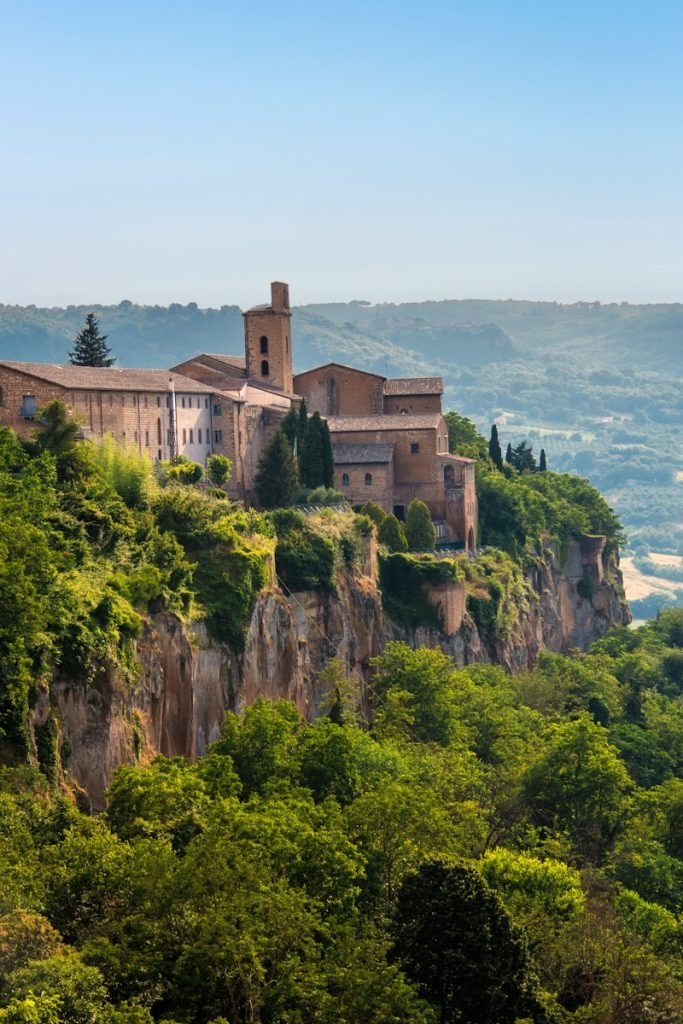
While we at Tuscany Uncorked Society spend much of our time in the shade of cypress trees, just across the border in Umbria lies a city carved out of gold. Orvieto, perched precariously on a massive cliff of volcanic tufa rock, isn’t just a medieval marvel—it is the birthplace of one of Italy’s most historic white wines.
Once called “The Wine of Popes,” Orvieto DOC is a complex, mineral-driven white that is finally reclaiming its throne on the global stage. But what makes it so special? Let’s dive into the volcanic soil and the misty lakes of this extraordinary region.
The Terroir: A Gift from Ancient Volcanoes
The secret to Orvieto’s brilliance is under your feet. Millions of years ago, volcanic eruptions covered this area in tufa (ash and rock) and limestone.
This unique soil gives the wines—primarily a blend of Grechetto and Procanico—a distinct “saltiness” and structural backbone. When you sip an Orvieto, you aren’t just tasting fruit; you’re tasting the earth itself.
Classico vs. Superiore: Decoding the Label
If you’ve looked at an Orvieto bottle lately, you’ve likely seen these two terms. They aren’t interchangeable; one refers to where it’s from, and the other refers to how it’s made.
1. Orvieto Classico (The “Where”)
The Classico designation is reserved for wines produced in the oldest, most historic heart of the region. This zone surrounds the town of Orvieto itself.
- Why it matters: The Classico zone has the best exposure and the highest concentration of volcanic soil. It’s widely considered the “Grand Cru” area of the DOC.
2. Orvieto Superiore (The “How”)
Superiore is a quality tier, not a geographic location. To be labeled Superiore:
- Lower Yields: Farmers must harvest fewer grapes per hectare, ensuring more concentrated flavor.
- Higher Alcohol: The wine must have a slightly higher minimum alcohol content (usually 12% vs. 11.5%).
- Patient Aging: The wine cannot be released until at least March of the year following the harvest.
The Pro Tip: An Orvieto Classico Superiore is the “Gold Standard”—combining the best historic vineyards with the strictest production quality.
The Lake Corbara Factor: The Secret Ingredient
Just a few miles from the vineyards lies Lake Corbara, a man-made reservoir that acts as a giant climate regulator. But the lake provides more than just a view; it provides The Mist.
During the autumn, the temperature difference between the water and the land creates a thick morning fog that settles over the vineyards. This humidity is the perfect breeding ground for Botrytis Cinerea, or Noble Rot.
The “Muffa Nobile”
Thanks to the proximity of Lake Corbara, Orvieto is one of the few places in Italy that can consistently produce Muffa Nobile—a luscious, sweet dessert wine. The Noble Rot shrivels the grapes, concentrating the sugars and adding notes of saffron, honey, and dried apricot.
Without the lake, the legendary Orvieto dessert wines simply wouldn’t exist.
Why Orvieto Belongs in Your Cellar
Orvieto is a shapeshifter. It can be bone-dry and mineral (perfect for fritto misto), or rich and honeyed (perfect for aged Pecorino). At the Tuscany Uncorked Society, we love Orvieto because it bridges the gap between ancient tradition and modern freshness.