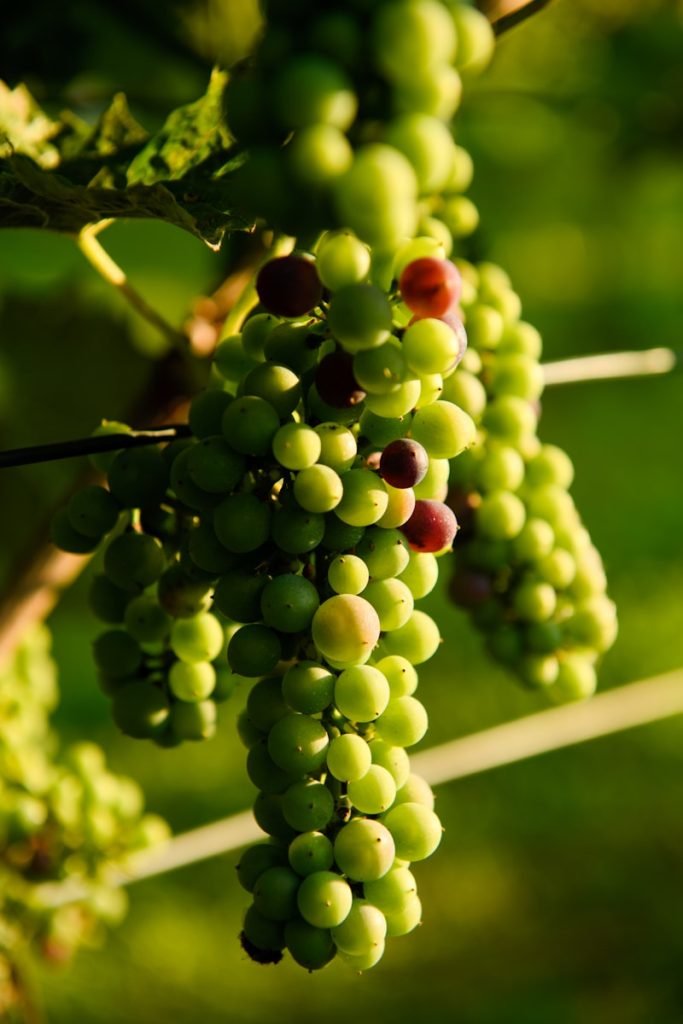
if you have browsed the shelves of the Tuscany Uncorked Society lately, or walked through any vineyard from Chianti Classico to Bolgheri, you’ve likely noticed a shift. The conversation isn’t just about Sangiovese or Cabernet anymore; it’s about how those grapes are grown.
Terms like Organic (Biologico) and Biodynamic (Biodinamico) are everywhere. But let’s be honest: when you’re pouring a glass on a Friday night, do you know the difference? Is it just marketing, or does it actually change the wine?
Let’s uncork the truth behind the labels.
1. Organic (Biologico): The “Do No Harm” Approach
Think of Organic winemaking as the foundation of clean agriculture. In Italy, when you see the green Euro-leaf logo on a bottle, it guarantees a specific set of standards.
The Core Philosophy: Organic farming is about what you leave out. It is a commitment to stop using synthetic chemicals that harm the environment.
- No Synthetics: Farmers banish man-made pesticides, herbicides, and chemical fertilizers.
- Soil Health: Instead of chemical sprays, they use copper and sulfur (in limited amounts) and cover crops to keep the vines healthy.
- In the Cellar: Organic certification also limits the amount of sulfites (preservatives) a winemaker can add.
The Result: You get a wine that is cleaner, often expressing the fruit more purely because it hasn’t been masked by chemical residues. It’s better for you, and infinitely better for the Tuscan ecosystem.
2. Biodynamic (Biodinamico): The “Supercharged” Ecosystem
If Organic is about keeping the bad stuff out, Biodynamics is about putting the energy in. Based on the 1920s teachings of Austrian philosopher Rudolf Steiner, Biodynamics views the vineyard not as a factory, but as a single, self-sustaining living organism.
The Core Philosophy: It is holistic, slightly spiritual, and deeply connected to the rhythms of nature.
- Everything is Connected: A biodynamic farm tries to be self-sufficient, often integrating animals (like sheep or horses) to create natural fertilizer.
- The Lunar Calendar: This is the part that sounds like magic to some. Biodynamic producers prune, rack, and bottle according to the phases of the moon and planetary alignments (e.g., “Root Days” vs. “Fruit Days”).
- Homeopathic Preparations: Farmers use special fermented herbal and mineral mixtures (like the famous Preparation 500, cow horn manure) to stimulate microbial life in the soil.
The Result: Biodynamic wines are often described as having more “vitality” or “energy.” Because the soil is so alive, the vines dig deeper, leading to a more profound expression of the terroir (the sense of place).
The Cheat Sheet: What’s the Difference?
To make it easy to remember, here is a quick breakdown:
| Feature | Organic (Biologico) | Biodynamic (Biodinamico) |
| Main Focus | Environmental sustainability | Holistic ecosystem & energy |
| Chemicals | Strictly Prohibited | Strictly Prohibited |
| Methods | Avoids synthetics | Uses lunar cycles & herbal preps |
| Certification | EU Green Leaf | Demeter or Biodyvin |
| Taste Profile | Pure fruit expression | Complex, savory, “alive” |
Which Should You Drink?
At Tuscany Uncorked Society, we don’t believe one is strictly “better” than the other—they are simply different paths to quality.
However, we are seeing more and more of our favorite Tuscan producers moving toward Biodynamics. Why? Because in a region with soil as ancient and special as ours, anything that helps the vine connect deeper with the earth produces a more fascinating wine.
Whether you choose the clean purity of a Biologico or the earthy complexity of a Biodinamico, you are supporting a future where the Tuscan hills remain green and vibrant for generations to come.