Vin Santo: A Taste of Tuscan Tradition in Every Sip
Among Tuscany’s sun-drenched vineyards and centuries-old wine cellars, one name carries a sense of reverence and nostalgia: Vin Santo. Often called the “holy wine” of Italy, this golden elixir is more than just a dessert wine — it’s a cherished symbol of Tuscan heritage.
At Tuscany Uncorked Society, we celebrate the legacy of Vin Santo and invite you to discover why it continues to enchant wine lovers across the world.
What Makes Vin Santo So Special?
The origins of Vin Santo are steeped in mystery. Some say it earned its name from its use in religious rituals, others believe it stems from an old tale linking it to a misunderstood Greek wine. Regardless of its etymology, Vin Santo remains a deeply traditional Tuscan wine, particularly beloved in areas like Chianti Classico, Montepulciano, and the Val d’Elsa.
What truly sets it apart, however, is the distinctive production method, which reflects centuries of winemaking knowledge passed down through generations.
How Vin Santo Is Made: A Labor of Love
Creating Vin Santo is an exercise in patience and precision:
- Selecting the Grapes: Winemakers typically use Trebbiano Toscano and Malvasia for the classic version, while Sangiovese is reserved for the rare and darker Occhio di Pernice style.
- Drying Process (Appassimento): After harvest, grapes are laid out on straw mats or hung in airy lofts for several months to naturally wither and concentrate their sugars.
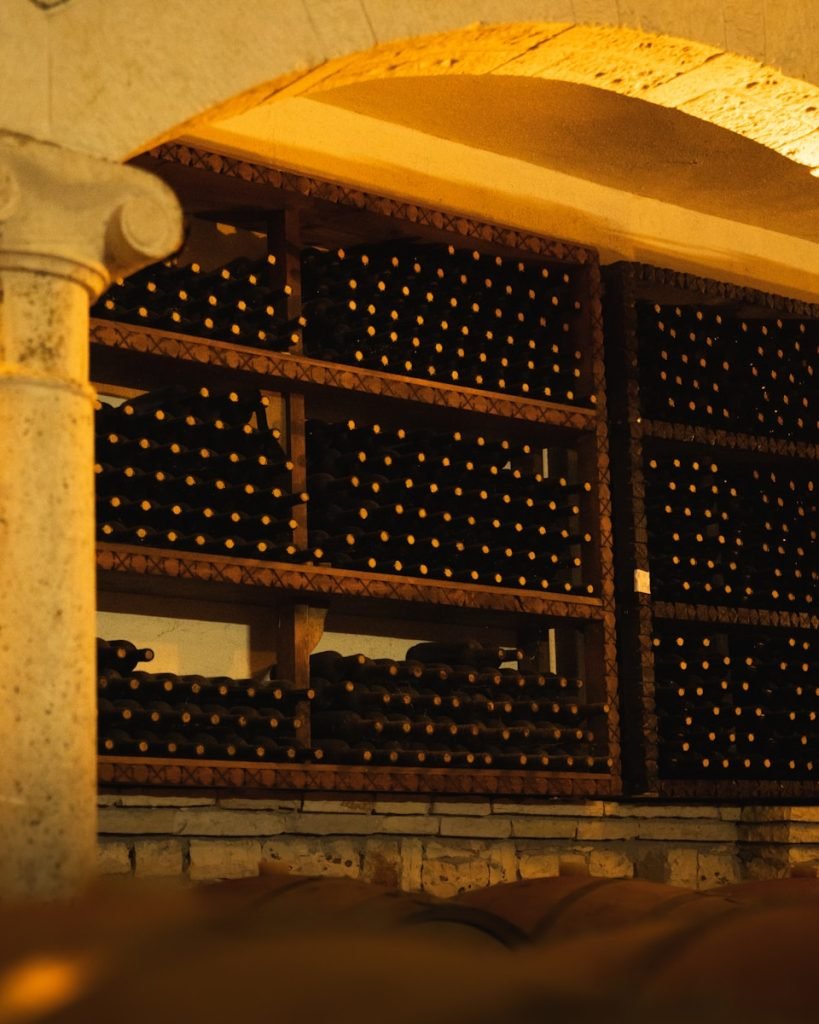
- Aging in Caratelli: The raisined grapes are then pressed and the juice placed in small oak or chestnut barrels known as caratelli. These barrels are often sealed and left in attic-like spaces to age for a minimum of 3 years, with some versions maturing for over a decade.
- Bottling: Once aged, the wine is carefully filtered and bottled, often released only when the producer feels it has reached its perfect balance.
Varieties of Vin Santo
Vin Santo comes in several distinct expressions:
- Traditional Vin Santo (Bianco): Made from white grapes, offering golden hues and layered aromas of honey, dried fruits, nuts, and spices.
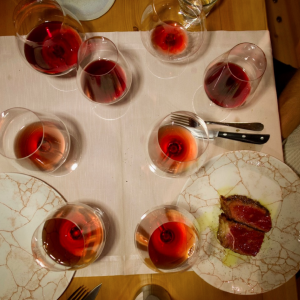
- Occhio di Pernice: A rare variant with a rosé or amber tint, richer and more structured, made mostly with Sangiovese.
- Secco vs Dolce: While most Vin Santo is sweet (dolce), some are crafted in a drier style (secco), ideal for pairing with savory dishes.
What Sets Vin Santo Apart from Other Sweet Wines?
Vin Santo has little in common with mass-produced sweet wines. Here’s why:
- Natural drying instead of fortification (as in Port).
- Oxidative aging that gives it its signature complexity — think toasted nuts, caramel, dried figs.
- A unique sense of place, reflecting Tuscany’s climate, grapes, and time-honored techniques.
Unlike the botrytized sweetness of Sauternes or the richness of a Sherry, Vin Santo offers a more ethereal, earthy expression — simultaneously delicate and profound.
How to Enjoy Vin Santo
Traditionally, Vin Santo is served with Cantucci, the crisp almond biscotti dipped lovingly into the wine — a gesture rooted in Tuscan hospitality.
Beyond this classic pairing, Vin Santo is a versatile companion to:
- Blue cheeses and aged pecorino
- Liver pâté or terrines
- Nutty desserts like almond cake or chestnut tart
- Or simply enjoyed on its own, slowly sipped at the end of a meal
It’s a wine that invites reflection — perfect for lingering conversations and special moments.
Vin Santo: More Than a Wine, a Tuscan Legacy
Vin Santo is more than what’s in the glass. It embodies the spirit of Tuscany: tradition, craftsmanship, and a deep respect for time. Whether you’re a seasoned collector or tasting it for the first time, every drop tells a story.
At Tuscany Uncorked Society, we believe Vin Santo deserves its place on your table — and in your heart.
Taste tradition. Share the story. Sip the soul of Tuscany.
Tags: Vin Santo wine, Tuscan sweet wine, Italian dessert wines, Occhio di Pernice, Tuscany wine culture, wine and cantucci, Vin Santo food pairing, traditional Tuscan wines, wine aging methods