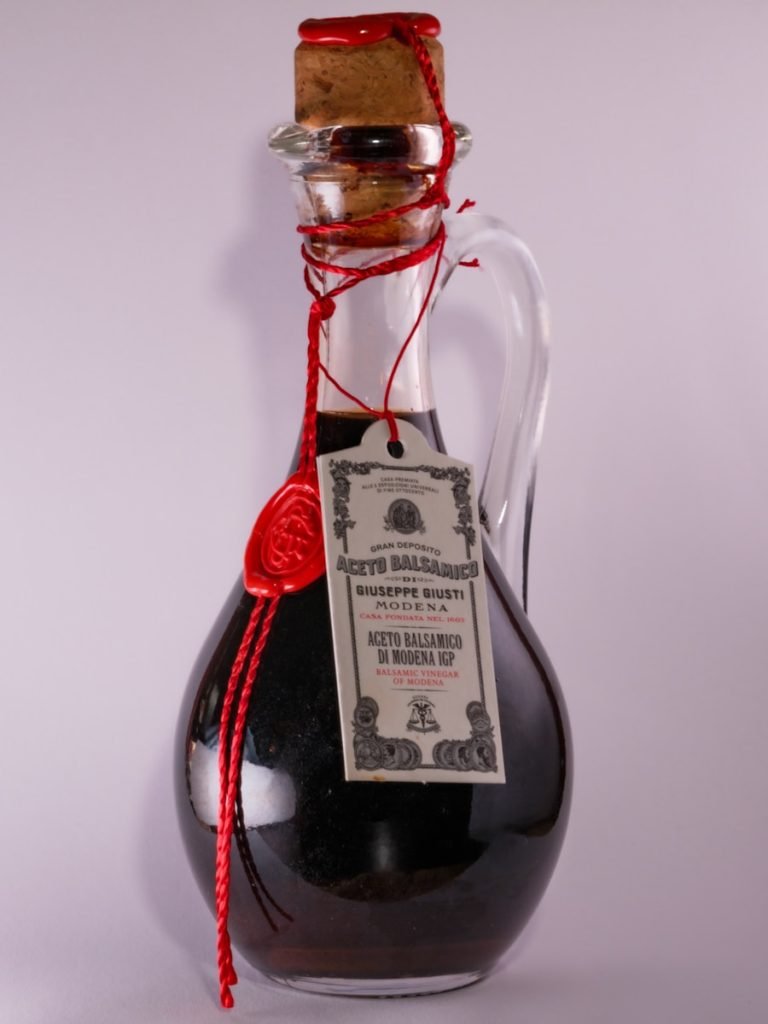
The Art of Balsamic Vinegar: Recognizing Quality and Embracing Tradition
Much like fine wine, balsamic vinegar is not simply a condiment — it is the product of time, craftsmanship, and cultural heritage. At Tuscany Uncorked Society, we believe that every gourmet product worth savoring has a story. And few stories are as rich and fragrant as that of Aceto Balsamico Tradizionale.
This article will guide you through the history, production, and tasting of authentic balsamic vinegar — and show you how to distinguish the real thing from commercial imitations.
A Noble History: Balsamic’s Roots in Emilia-Romagna
Balsamic vinegar has been produced in Modena and Reggio Emilia, two provinces in the Italian region of Emilia-Romagna, for centuries. The earliest written references date back to the Middle Ages, when balsamic was considered so precious it was given as a wedding dowry or royal gift.
Traditionally aged in wooden barrels in the attics of noble families, balsamic vinegar was long viewed as a medicinal elixir, a digestive, and a rare delicacy — far from the everyday vinegar we know today.
The word balsamico itself comes from “balsam”, meaning healing or soothing.
What Is Aceto Balsamico Tradizionale?
True Aceto Balsamico Tradizionale is a PDO product (Protected Designation of Origin), produced under strict regulations. It is made using only cooked grape must (no vinegar, caramel, or additives), typically from Trebbiano and Lambrusco grapes.
Key characteristics of traditional balsamic:
- Aged for a minimum of 12 years (some for 25+ years)
- Naturally thick and syrupy
- Balanced acidity and sweetness, with intense, layered aromas
- Aged in a series of barrels made of different woods (cherry, chestnut, oak, ash, mulberry), allowing it to develop complexity over time
How to Recognize High-Quality Balsamic Vinegar
Not all that glitters is gold — and not all dark vinegars labeled “balsamic” are truly traditional. Here’s how to spot the real thing:
1. Look for the PDO label
Only two types are officially protected and guaranteed:
- Aceto Balsamico Tradizionale di Modena DOP
- Aceto Balsamico Tradizionale di Reggio Emilia DOP
These are bottled in uniquely shaped glass bottles (100 ml) and sealed by the consortium, not the producer.
2. Check the ingredients
Authentic balsamic contains only cooked grape must — no wine vinegar, caramel, thickeners, or sugar.
If the label lists “wine vinegar” or “coloring,” it is a commercial-grade balsamic, often aged for only a few months.
3. Observe the consistency
True balsamic is naturally dense, smooth, and coats the spoon. It should pour slowly, not splash.
4. Taste it like wine
High-quality balsamic will offer complex aromas of dried fruit, wood, and spice, followed by a harmonious, velvety balance of sweetness and acidity. There should be no harshness or sour bite.
Aging Levels and Color Codes
In Modena, traditional balsamic is generally classified into two categories:
- Affinato (12+ years) – red seal
- Extravecchio (25+ years) – gold seal
In Reggio Emilia, the classification is color-coded:
- Red label: minimum 12 years
- Silver label: 18+ years
- Gold label: 25+ years
How to Use True Balsamic (Hint: Less Is More)
Because of its intensity and cost, traditional balsamic is used sparingly. Here are some classic pairings:
- Aged Parmigiano Reggiano
- Fresh strawberries or figs
- Vanilla gelato
- Risotto or aged beef fillet (a few drops after cooking)
- Foie gras or duck breast
Never cook with it — heating destroys its delicate structure. Instead, use it as a finishing touch.
Balsamic and Wine: A Shared Philosophy
At Tuscany Uncorked Society, we appreciate the parallels between balsamic and fine wine: terroir, aging, barrel influence, and craftsmanship. Both invite us to slow down, to taste with intention, and to value tradition over trends.
Just as you wouldn’t judge a wine by its label alone, don’t judge balsamic by its color or price tag. True excellence lies in the details of origin and time.
Final Thoughts
Aceto Balsamico Tradizionale is more than a condiment — it is a cultural treasure that reflects centuries of patience, passion, and precision. Recognizing a high-quality balsamic is about knowing what to look for, but also understanding its story.
We encourage our readers and members to seek out authentic producers, support artisanal methods, and experience balsamic vinegar as it was meant to be enjoyed: slowly, respectfully, and with wonder.