The Timeless Bond Between Italy and Wine: A Journey Through History, Culture, and Tradition
Italy’s connection to wine is not merely agricultural—it is cultural, spiritual, and profoundly human. In every region, from the Alpine valleys to the sunlit islands of the south, wine is more than a product: it is a legacy. It tells the story of a land shaped by time, and of a people who have cultivated the vine not only with skill, but with heart.
A History Rooted in Antiquity
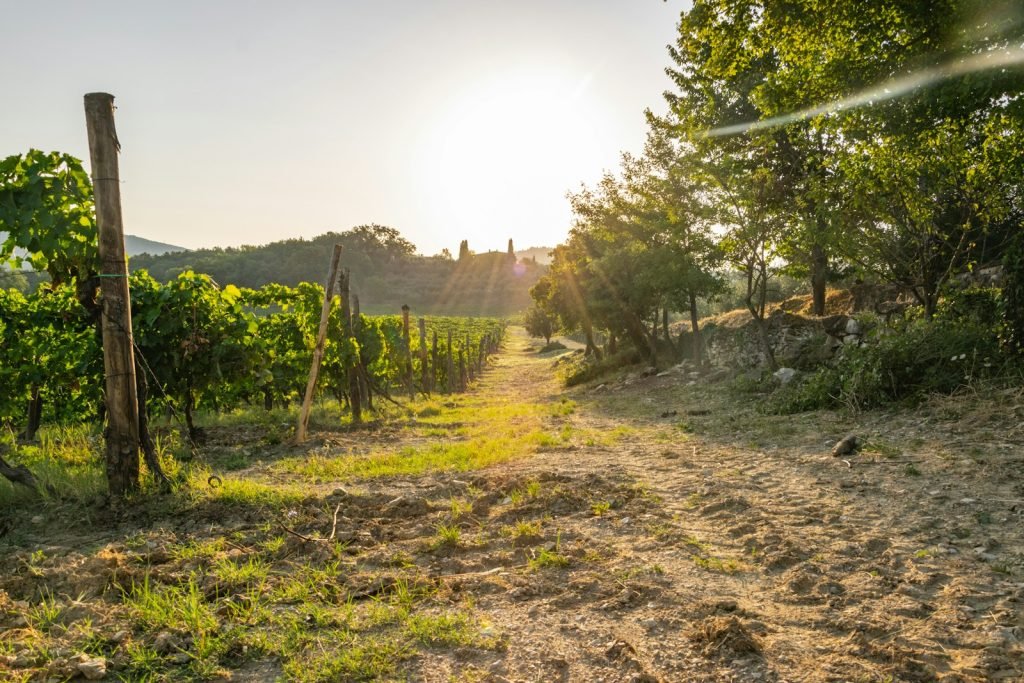
The origins of winemaking in Italy date back to the Bronze Age. It was the Greeks who called this land Oenotria, meaning “the land of wine,” recognizing its natural aptitude for viticulture. The Etruscans, flourishing in central Italy, brought structure and innovation to grape cultivation. Later, the Romans elevated winemaking to an art and a science, spreading Italian methods across the empire and integrating wine deeply into daily life, social customs, and religious rites.
Roman viticulture introduced techniques that are still in use today—canopy management, soil classification, and fermentation control. Wine was democratized; it belonged not only to elites but to all citizens, symbolizing conviviality and civilization.
The Endurance of Tradition
During the Middle Ages, winemaking survived in monasteries, where monks preserved and documented viticultural knowledge. Despite political turmoil, regional identities began to define distinct wine styles. With the Renaissance, noble families invested in vineyards, elevating wine to a refined expression of prestige and culture.
In the 20th century, Italy faced challenges: phylloxera, war, and economic shifts. Yet from these trials emerged a renewed dedication to quality and authenticity. The establishment of controlled designations—DOC and later DOCG—ensured traceability, consistency, and respect for tradition.
The Role of Wine in Modern Italian Life
Today, wine remains a central element of Italian society. It is part of everyday meals, celebrations, and rituals. Each bottle reflects a unique terroir—a combination of soil, climate, grape, and human touch. Across the peninsula, producers—many of them family-run for generations—craft wines that honor heritage while embracing innovation.
Contemporary Italian winemaking also speaks to values of sustainability and responsibility. Organic and biodynamic practices are growing, and many young winemakers are combining ancestral techniques with modern precision. Wine tourism is thriving, offering visitors not just tastings, but immersive experiences into the life of the vineyard.
A Living Legacy
To speak of Italian wine is to speak of continuity. It is a tradition that evolves without losing its roots—a dynamic expression of place, memory, and passion. For us at the wine club, sharing a bottle means sharing a story, a landscape, and a moment suspended in time.https://tuscanyuncorkedsociety.com/avignonesi/
With each glass, we honor a millennial heritage. And with each new vintage, we look forward to the chapters yet to be written.
Salute!